
Hospitals, clinics, and nursing homes need flooring that’s more than just clean-looking—it has to keep people safe, stand up to tough cleaning, and avoid causing problems like infections or falls. You don’t need fancy terms to pick the right one—here are the most practical options, explained simply.
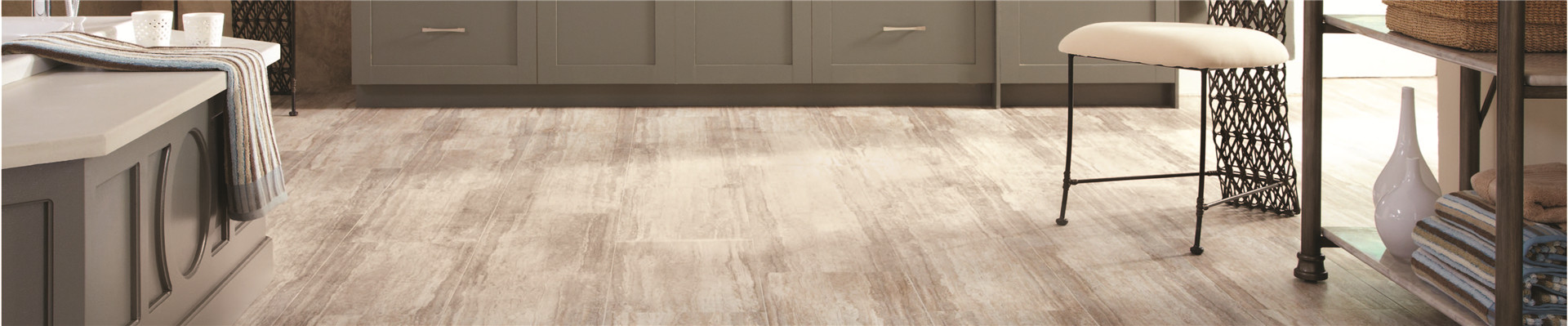
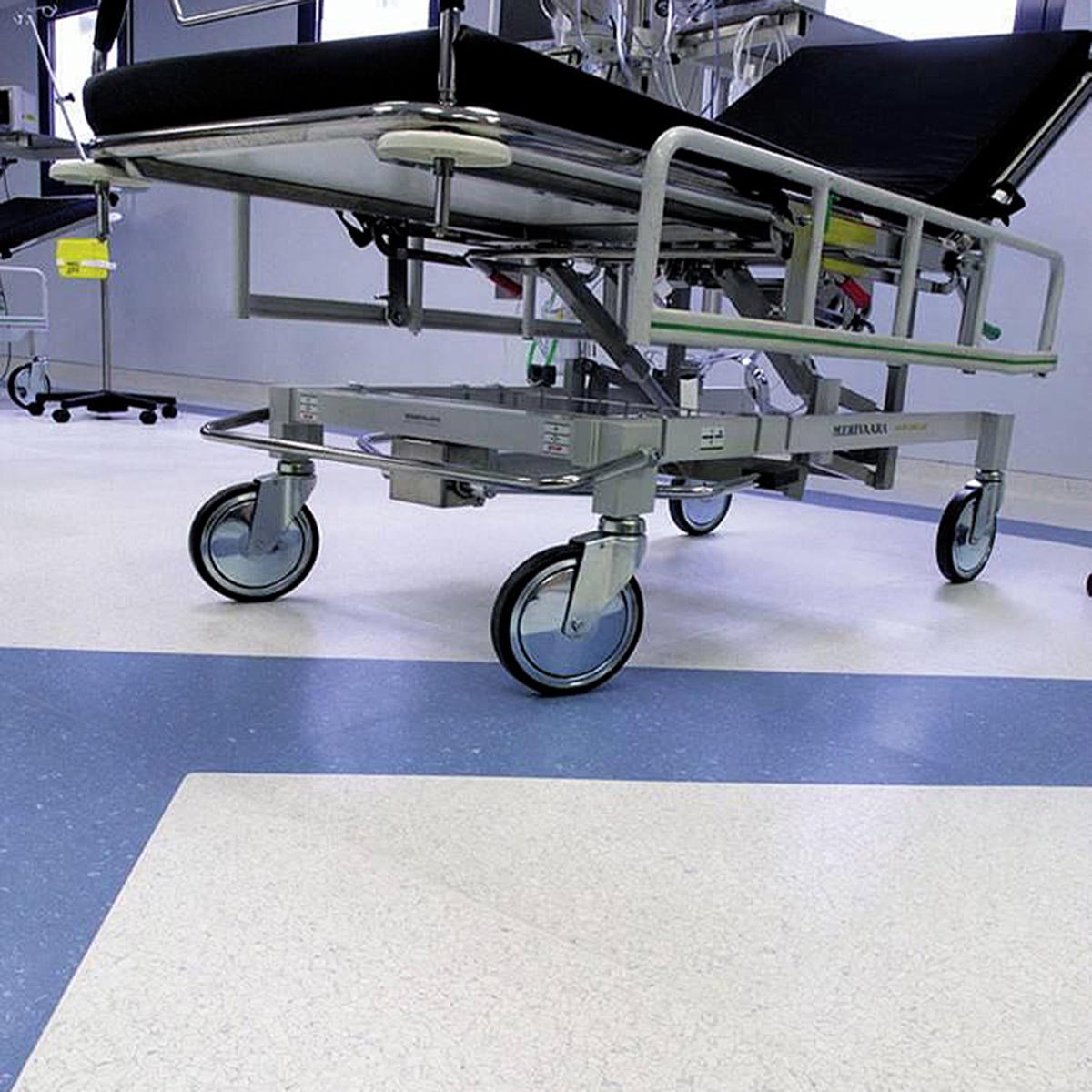
Solid Vinyl Flooring: The Go-To for Germ Protection
This one’s the most common in places like operating rooms and ICUs, and for good reason. It’s a single layer of vinyl (no separate top coat that wears off) with germ-fighting ingredients mixed right in.
▼ Why it works:
• Germs can’t hide here. Liquids like blood or cleaning products just sit on top—they don’t seep in to grow bacteria.
• It handles harsh disinfectants (the strong stuff used to kill viruses and superbugs) every day without fading or cracking.
• It lasts 15–20 years, so facilities don’t have to replace it often.
Where to use it: Operating rooms, intensive care units (ICUs), and isolation rooms—anywhere stopping germs is top priority.
Rubber Flooring: Soft on Falls, Tough on Wear
Rubber floors are perfect for places where people might slip or fall, like nursing homes or physical therapy rooms. They’re usually made of synthetic rubber (the kind that doesn’t stain easily).
▼ Why it works:
• It’s soft enough to cushion falls. If an elderly patient or kid trips, it cuts down on injuries way more than hard tile.
• Wheelchairs, hospital beds, and carts roll over it hundreds of times without leaving dents.
• It’s easy to wipe clean—no tiny holes for germs to stick in.
Where to use it: Nursing home hallways, physical therapy suites, and emergency room waiting areas.
Epoxy Flooring: For Super-Harsh Spots
Epoxy is like a tough, seamless coating poured directly onto the floor. It’s not pretty, but it’s unbreakable in tricky areas.
▼ Why it works:
• No cracks or lines between tiles. That means no hidden spots for germs to live—cleaners can wipe it all in one go.
• It doesn’t care about strong chemicals (like lab acids) or hot equipment (even autoclaves, the super-hot sterilizers).
• Heavy machines like MRI scanners can sit on it forever without damaging it.
Where to use it: Labs, radiology rooms (where X-ray machines go), and sterile supply rooms.
Antimicrobial Vinyl Tiles: Budget-Friendly for Clinics
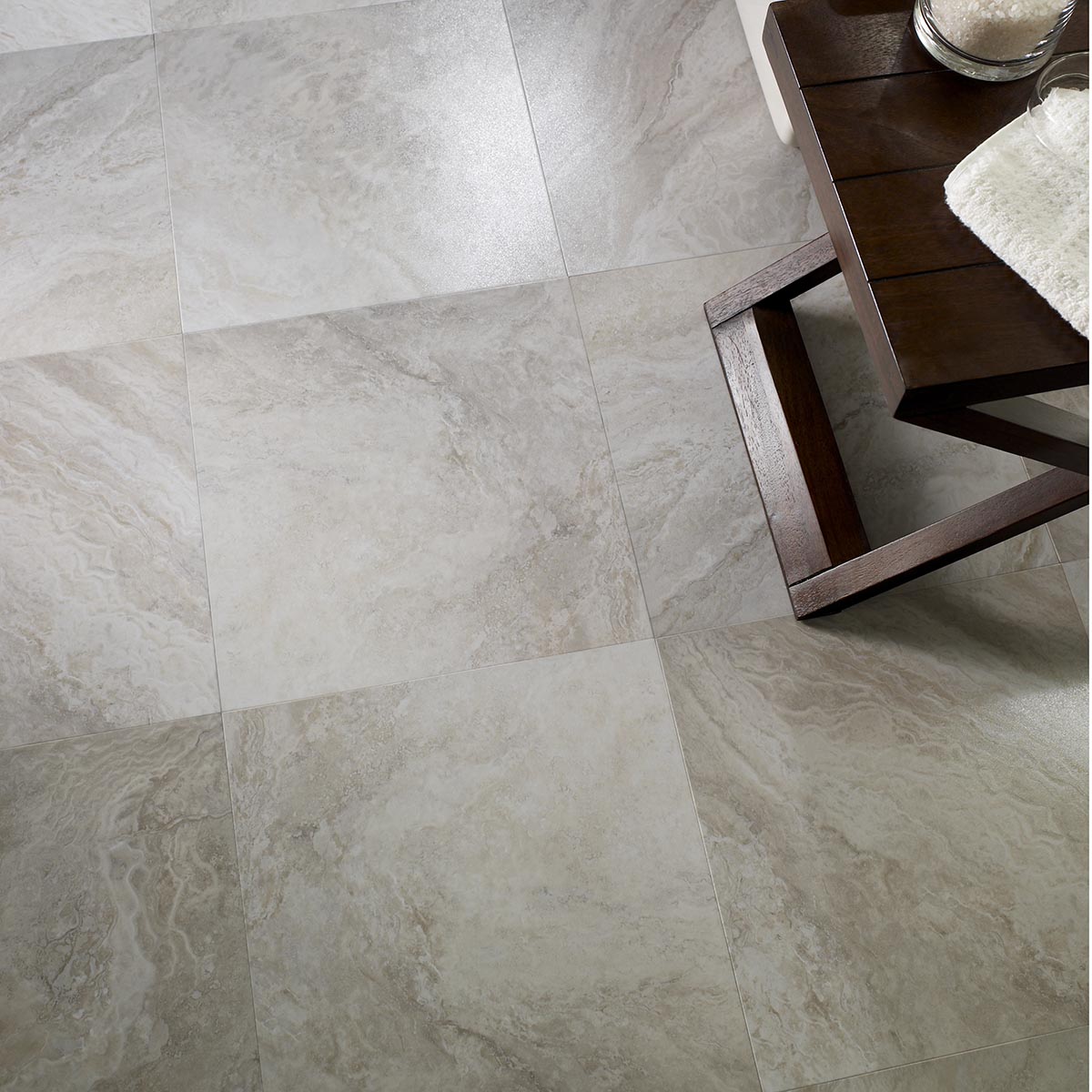
These look like wood or stone but are actually vinyl with a stiff core. They’re great for doctor’s offices or urgent care centers that want to save money but still stay safe.
▼ Why it works:
• They don’t warp or swell if a sink overflows or the room gets humid.
• Stains from iodine or blood wipe off easily—no permanent marks.
• They don’t release bad fumes, which is good for people with allergies or weak immune systems.
Where to use it: Doctor’s exam rooms, urgent care waiting areas, and dental offices.
Flooring to Avoid in Medical Spaces
Some floors just aren’t cut out for these places:
• Carpet: Germs and dust get trapped deep in the fibers—you can never really clean it fully.
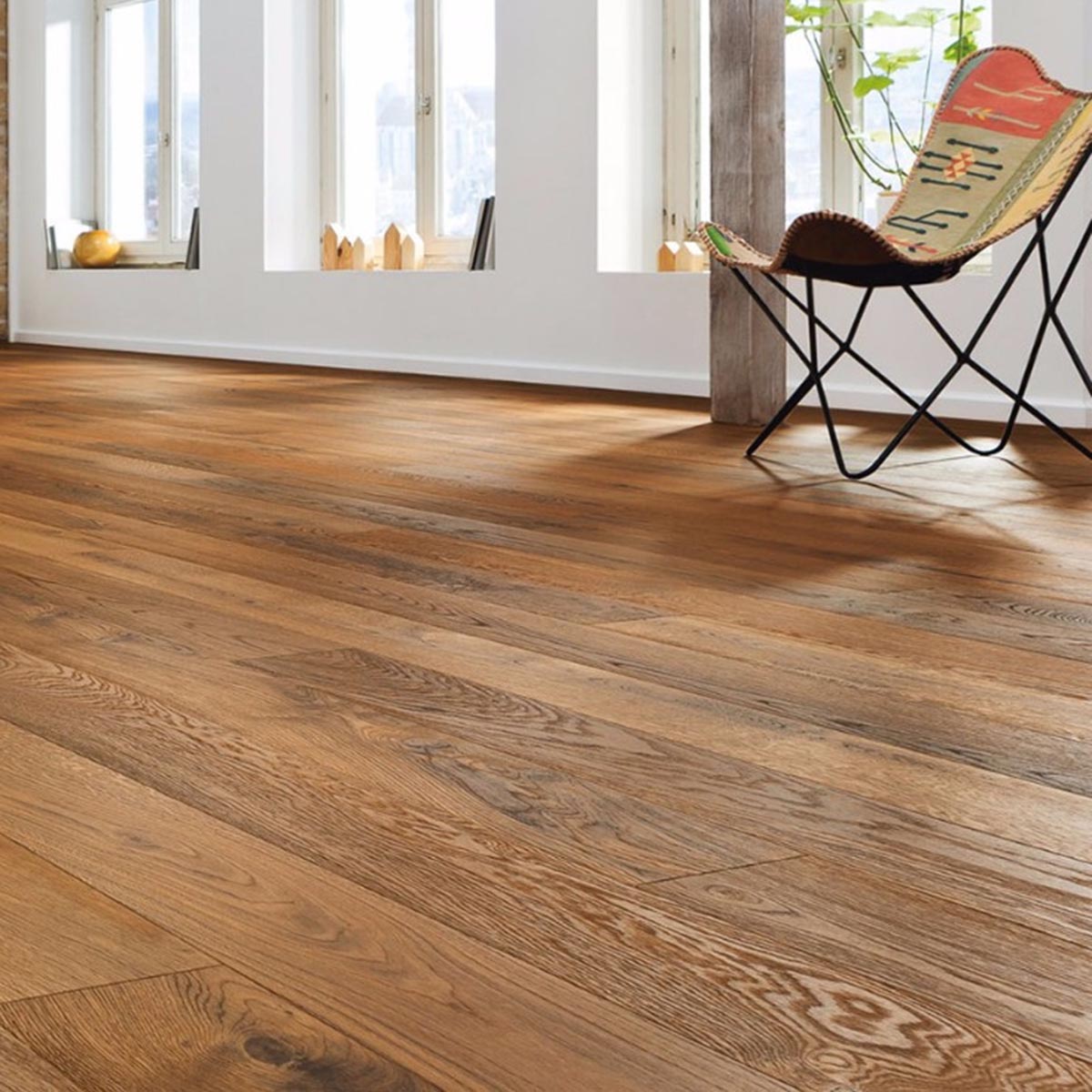
• Solid Wood: It soaks up liquids and warps when it’s wet, making it a breeding ground for bacteria.
• Glossy Tile: It gets super slippery when wet—way too risky for places with spills.
Quick Tips to Pick the Right One
• If stopping germs is #1: Go with solid vinyl or epoxy.
• If preventing falls matters most: Rubber is your best bet.
• If you‘re on a budget but need safety: Antimicrobial vinyl tiles work.
The best medical flooring isn’t about looks—it’s about keeping patients and staff safe. All these options do that in different ways, and you can pick based on what the space is used for. Simple as that!
Post time: Dec-15-2025